



OVERVIEW OF CFD
What is CONTRACTS FOR DIFFERENCES (CFD)?
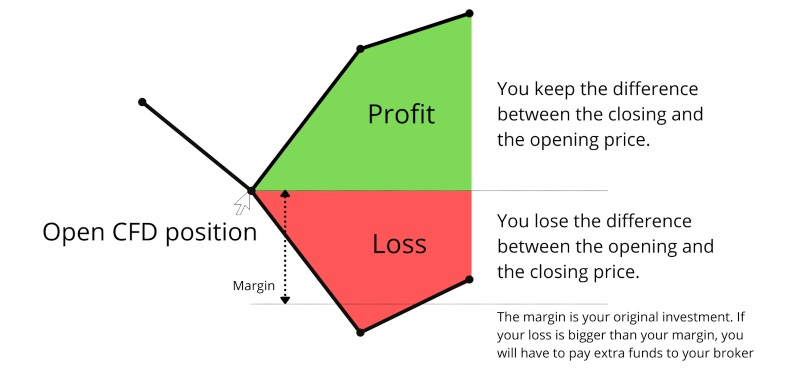
A Contracts for Differences (CFDs) is an agreement between two parties to exchange the difference between the opening price and closing price of a contract.
CFDs are derivatives products that allow you to trade on live market price movements without actually owning the underlying instrument on which your contract is based.
You can use CFDs to speculate on the future movement of market prices regardless of whether the underlying markets are rising or falling. You can go short (sell), allowing you to profit from falling prices, or hedge your portfolio to offset any potential loss in value of your physical investments.
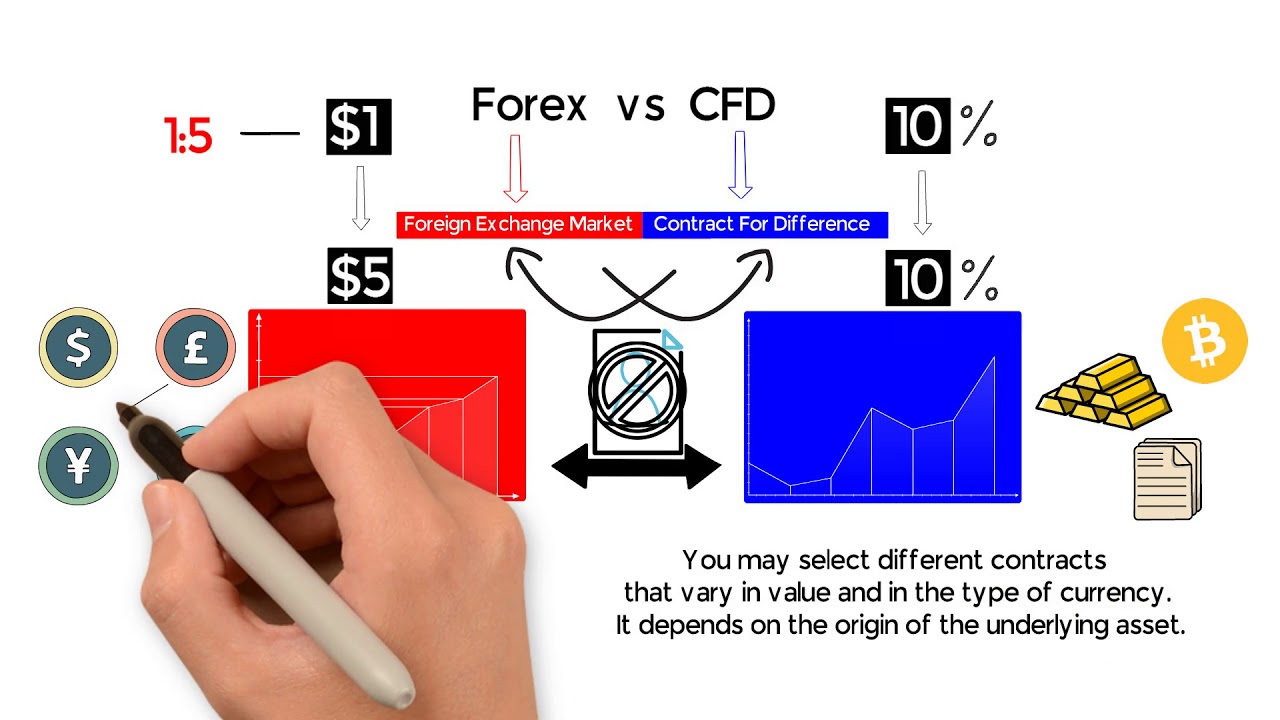
Similar to trading Forex, CFDs allow investors to hold both “long” and “short” positions granting the retail trader with the opportunity to profit in either a rising or falling stock market. Additionally, investors have the convenience of limiting losses or claiming gains by using stop losses and limit orders.
Because CFDs are traded on margin rather than paying the full value of a transaction, the investor only needs to pay a percentage when placing a trade. Trading with margin grants the investor with leverage, which in turn allows the investor to access a larger amount of shares than buying or selling actual stock shares. By offering CFDs, we are allowing our investors to speculate on instruments and markets that may otherwise be unavailable or difficult for them to trade.
How does the CFDs market operates?
CFDs price is shown in bid and offer. This is traded on margin that defines trader needs to deposit a tiny portion of the complete value of trade for opening a position, which is called initial margin. Requirements for Initial margin vary among dissimilar markets that would typically be between 10%-25% for an equity CFD trade and between 2%-5% for an index or currency trade.